









Enhance decision-making and organisational resilience with AI-powered internal audits.
Internal Audit

Today, as risks grow more complex and interconnected, internal audit is ready to take the spotlight. It's the foundation of trust, giving companies and their stakeholders confidence by ensuring the integrity of people, processes, systems, and data. This new outlook on risk leads to quicker actions and smarter decisions.
At PwC Australia, we understand that with the right vision, talent, and technology, internal audit can manage risks and foresee future challenges, uncovering opportunities for protection and value creation.
This is Internal Audit Thumbnail
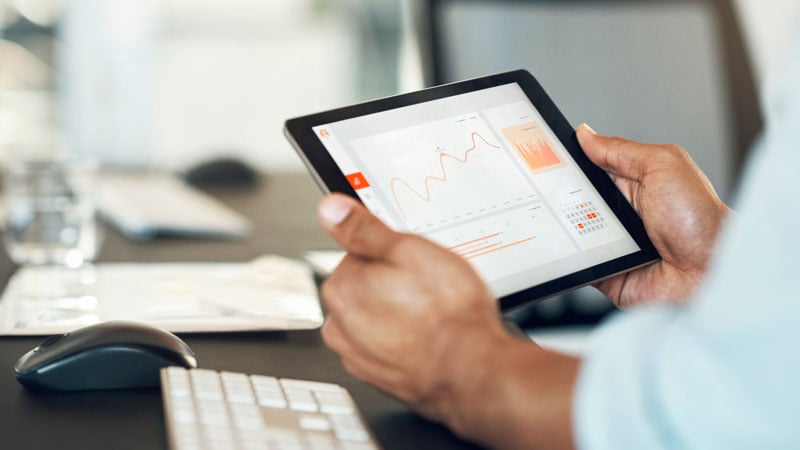
AI Multiplied. More than the sum of its parts
Our work with leading organisations shows that tackling significant challenges requires collaboration. By combining our strengths, we multiply our value.
Today’s internal audit must integrate diverse skills and capabilities to address the wide array of risks companies face.
At PwC, we blend core internal audit skills with expertise in areas like cyber security, ESG, regulation and compliance, culture and behaviours, forensics, and tax. We also bring in industry experts and cutting-edge AI and digital tools to ensure internal audit is targeted and efficient.
This creates a 'multiplier effect'—leading to enhanced risk coverage, improved efficiency, and more insightful outcomes.
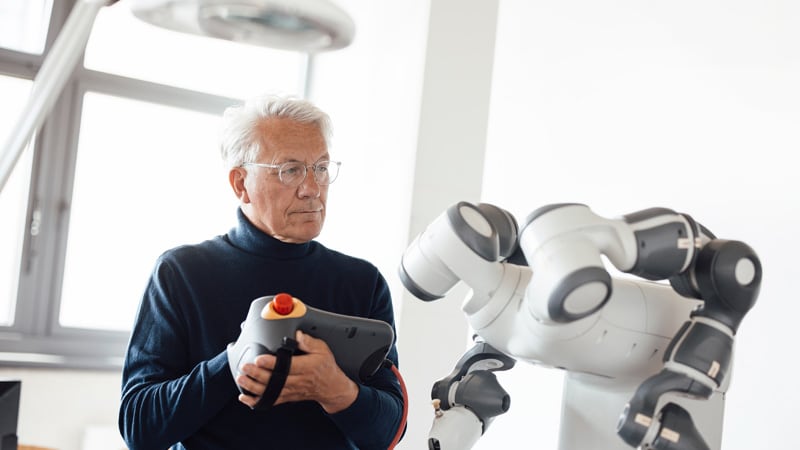
IA Evolved. Human x Tech = PwC Internal Audit
Unlocking the full potential of internal audit requires more than technology—it needs our human strengths too.
At PwC, we've integrated advanced technology into our internal audit services. But to make it truly impactful, we combine it with experts who understand your business, culture, values, strategy, and people. In today’s interconnected world, we can’t afford any gaps.
Our internal audit teams can deploy technology to enhance risk assessment, testing and analysis, investigation, and reporting throughout the audit lifecycle. This includes tools for data analytics and visualisation, AI, ERP and GRC, continuous monitoring, and internal audit management.
This means PwC internal audit is greater than the sum of its parts, helping you tackle real-world challenges. This is internal audit—evolved.
Our services
Set up or transform Internal Audit
Plan, develop and structure internal audit––making it the right fit for your organisation. And ready for the future.
- Internal Audit function set-up
- Internal Audit charter, strategy and vision
- Policy and plan development
- Restructuring Internal Audit (e.g. due to an IPO or merger)
- Organisation-wide alignment and integrated assurance across the second and third line

Deliver the internal audit plan
Combining modern audit methods, technology, industry knowledge and expertise to deliver effective internal audit services––anywhere in the world.Internal audit co-sourcing and outsourcing, including:
- Risk assessment with digital risk tools
- Planning, scoping and work-programme design
- Audit execution—tech-enabled and data-led
- Global project management, coordination and communication (multi-language)
- Reporting and stakeholder engagement with visualisation tool
- Internal audit management, taking on roles like Chief Audit Executive or Head of Internal Audit
- Full internal audit managed services—scalable, standardised, efficient and effective, using our technology, teams and delivery centres worldwide
- Organisation-wide internal controls programmes, such as Sarbanes–Oxley Act (SOX) or equivalent
- Specialist audits, such as cyber, ESG, M&A, HR and culture, media and strategy audits
- Third-party audits, including vendor compliance and due-diligence audits
- Forensic audits and investigations, addressing fraud and compliance breaches

Implement technology in internal audit
Harness technology and AI to boost the efficiency and effectiveness of internal audit, drawing valuable insights from data.
- Internal audit technology strategy
- System selection, implementation and configuration
- Design and use of data analytics, robotic process automation (RPA), continuous auditing and AI
- Alignment and integration with existing organisational technology, including risk, compliance and enterprise resource planning (ERP) tools
- Digital training and upskilling
Develop my people in internal audit
Build confidence and new skills to unlock your team’s potential and prepare them for success.
- Internal audit talent strategy and framework implementation
- In-person and online training for internal audit and assurance teams, including controls programme leaders
- Training for business teams, including risk and control owners
- Upskilling for executives and management on corporate governance
- Support from subject-matter specialists for knowledge transfer during audits
- Coaching and mentoring for internal audit leadership, audit committee members and management

Assess the maturity and quality of internal audit
Enhance your capabilities to fulfil the potential of the next generation internal audits––and exceed your stakeholder expectations.
- External quality assessments (EQAs) and external strategic assessments (ESA)
- Benchmarking and health checks on internal audit maturity and performance
- Development and evaluation of internal audit quality management framework and processes
- Internal audit key performance indicators (KPIs), supporting alignment with corporate strategy
- Optimising internal audit, audit committee, board and other stakeholder reporting

Tackle a specific business problem or risk
Use internal audit’s strengths to analyse and quantify issues, advise on improvements and identify blind spots and emerging risks.
- Areas where internal audit can add value:
- Corporate transactions, including due diligence and post-merger integration
- Addressing regulatory breaches with root-cause analysis and remediation monitoring
- Enhancing board effectiveness, such as decision-making and delegation of authority processes
- Navigating local laws and risks, especially during market entry
- Evaluating culture and behaviours to mitigate workstyle reform or transformation risks

Implementing the Institute of Internal Auditors (IIA) new Global Internal Audit Standards
Use the Institute of Internal Auditors’ new Global Internal Audit Standards to transform and add value to your internal audit function.
Explore more services
Contact us